Every time you twist, pull, or secure a braid, you’re silently negotiating with your hair’s future. Tight styles promise neatness—but often deliver breakage, dryness, and thinning edges. The real cost? Months of growth lost in minutes. Here’s the fix: styling that puts Hair Health Focus at the center—not as an afterthought, but as the foundation.
Why Traditional Braiding Undermines Hair Health Focus
Most braiders prioritize aesthetics over biology. They crank tension to “make it last,” ignore porosity mismatches, and reuse synthetic hair coated in silicone buildup. And clients suffer the fallout—literally. Friction from rough extensions shreds cuticles. Constant tension inflames follicles. No amount of oil can undo mechanical damage done weekly.
Think about it: your scalp isn’t a mannequin head. It breathes. It sweats. It reacts. Yet 90% of salon braids treat it like inert canvas.
Hair Health Focus: A Step-by-Step Approach to Protective Styling That Actually Protects
Pre-Braid Prep: Hydration Over Hype
Never braid dry hair. Period. Deep condition 24 hours before installation using a protein-moisture balanced mask. Rinse with cool water to seal cuticles. Then apply a lightweight leave-in with slip—think marshmallow root or flaxseed gel, not heavy shea butter that traps debris.
Extension Selection: Natural > Synthetic (When Possible)
Synthetic kanekalon may be cheap, but its coarse fibers abrade your strands with every head turn. Opt for pre-stretched human hair or plant-based alternatives like banana fiber extensions—they mimic natural texture and reduce friction dramatically.
Tension Calibration: The Two-Finger Rule
Press two fingers gently against any cornrow base. If it indents skin beyond slight pressure—or causes immediate discomfort—you’ve crossed into traction alopecia territory. Adjust. Always.
| Braiding Method | Hair Health Impact | Cost Range | Ideal Duration |
|---|---|---|---|
| Box Braids (Synthetic) | Moderate-high breakage risk due to weight & friction | $120–$250 | 4–6 weeks |
| Feed-In Cornrows | Low tension at roots; minimal shedding | $80–$180 | 2–4 weeks |
| Knotless Braids (Human Hair) | Gentlest on edges; mimics natural growth pattern | $200–$400 | 6–8 weeks |
| Fulani Twists (with silk thread) | Negligible tension; ideal for fragile hair | $100–$220 | 3–5 weeks |


The Industry Secret: Scalp Micro-Massage During Installation
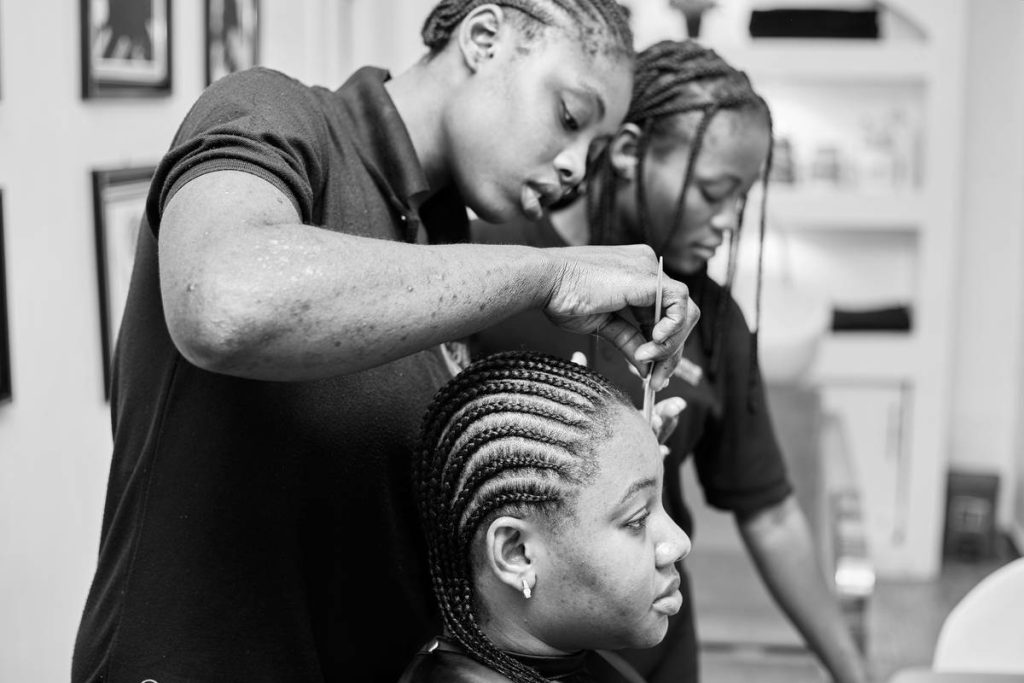
Top stylists don’t just braid—they stimulate. While sectioning, they use their fingertips to perform 10-second circular massages at each new part line. This boosts circulation, delivers oxygen to follicles, and actually strengthens hair *during* the styling process. Most clients never notice—it’s subtle. But over time, those micro-moments compound into thicker regrowth along the hairline. Ask for it. Pay for it if you must. Your edges will thank you six months later.
Frequently Asked Questions
Can braids cause permanent hair loss?
Yes—if worn too tight for too long. Traction alopecia starts subtly (receding temples, small bald patches) but becomes irreversible after 6+ months of chronic tension.
How often should I oil my scalp with braids in?
Every 3–4 days max. Over-oiling clogs pores and breeds bacteria. Use diluted rosemary or jojoba oil applied only to the scalp—not the braids.
Are smaller braids healthier than larger ones?
Not necessarily. Smaller = more parting = more tension points. Larger braids reduce manipulation but add weight. Balance size with your hair’s density and elasticity.