You’ve tried box braids, twists, even crochet installs—yet your hair still frizzes, tangles, or snaps mid-style. Why? Most tutorials ignore the core truth: Natural Texture isn’t one-size-fits-all—it’s a living, breathing variable that shifts with humidity, porosity, and even your sleep schedule. The solution isn’t more products. It’s smarter technique.
Why Generic Braiding Fails Natural Texture
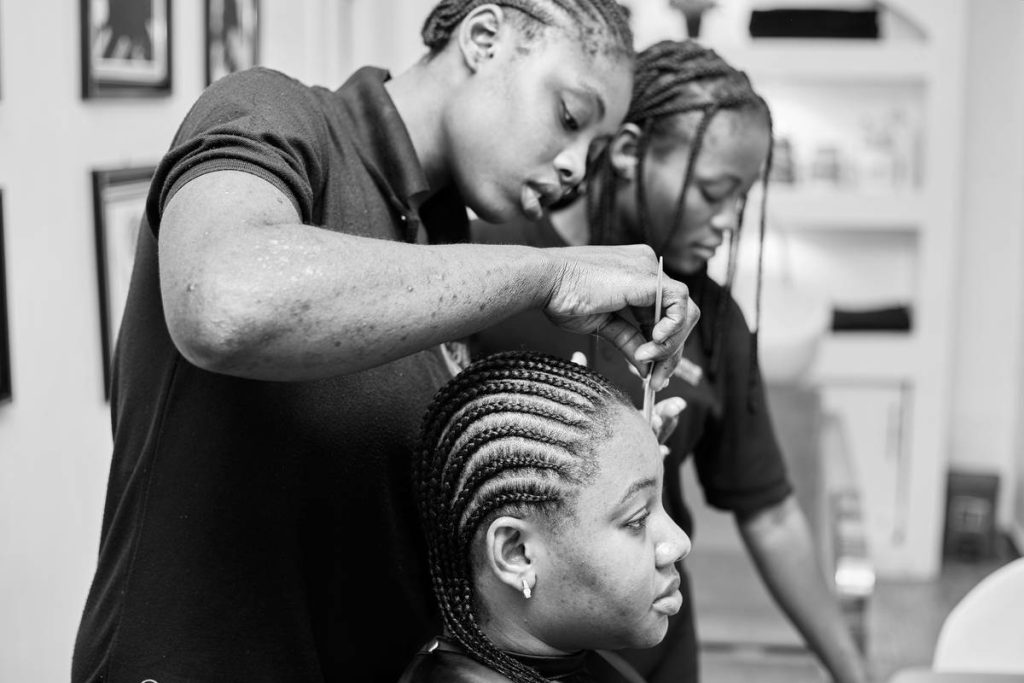
Salon pros know this secret: 70% of “protective” styles actually cause micro-tears at the root because tension is calibrated for straight hair—not coils, kinks, or zig-zags. And most DIY guides? They copy Eurocentric parting patterns that pull unevenly on dense curl patterns.
Your strands aren’t “hard to manage.” They’re being managed wrong. Think about it—braiding damp 4C hair like 2A waves is like using a snow tire on a desert highway. The math is simple: mismatched mechanics = breakage.
How to Braid for Your Natural Texture (Without Sacrificing Definition)

Step 1: Pre-Stretch—But Never Overdo It
Light banding or twist-outs the night before reduce shrinkage without zapping elasticity. Skip heat stretching—it flattens your curl DNA.
Step 2: Section by Density, Not Just Size
Thicker zones (nape, temples) need smaller parts. Thinner areas can handle wider braids. This balances weight distribution—and prevents slippage.
Step 3: Use the “Three-Finger Tension” Rule
Pinch each braid segment between thumb, index, and middle finger. If your knuckles whiten? Too tight. You want gentle, consistent pressure—like holding a bird without crushing it.
| Braiding Approach | Ideal For Natural Texture Type | Longevity (Days) | Risk of Frizz |
|---|---|---|---|
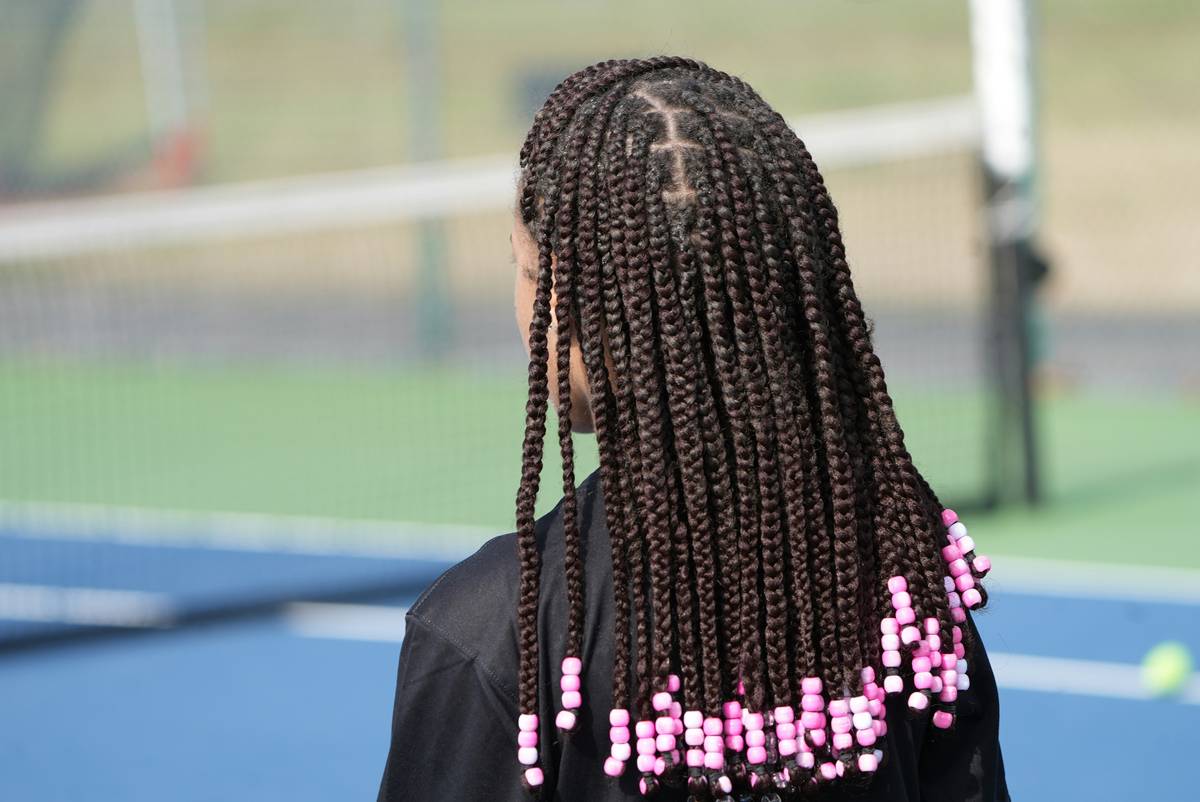
| Feed-in Braids | 3B–4A | 10–14 | Low (if sealed with gel) |
| Knotless Box Braids | 4A–4C | 6–8 | Moderate (requires oil sheen) |
| Cornrow Underlay + Top Knots | All Types (Especially High Porosity) | 12–18 | Very Low (scalp protected) |
Step 4: Lock Ends Without Glue
Dip just the final inch in warm water + flaxseed gel mix. Air-dry vertically. No synthetic sealants clogging follicles.
The Industry Secret: Braid Rotation Cycles
Top stylists rotate styles every 9 days—not because hair “gets bored,” but because your scalp’s sebum production shifts weekly. Stick with one braid pattern beyond 10 days, and you’ll trap oil buildup at the root, triggering inflammation that masquerades as “dryness.” Worse—it weakens new growth. Rotate between feed-ins, two-strand twists, and loose flat twists to keep follicles ventilated. This isn’t opinion. It’s dermatology-meets-texture physics.
Frequently Asked Questions
Can I braid soaking wet hair if I have Natural Texture?
No. Wet hair stretches up to 30% more than damp hair—leading to snap-back frizz once dry. Style at “towel-dried” moisture level instead.
How often should I oil my braids?
Only the scalp—2x/week max. Oiling braids invites dust buildup and weighs down your Natural Texture over time.
Do silk scarves really prevent frizz?
Only if worn loosely. Tight wrapping creates pressure points that distort coil formation overnight. Use satin bonnets instead.